OceanMata is a small company based in Germany that sells phone cases, jewelry, wallets, and lifestyle accessories online. At first glance, they look like a design-driven brand. In reality, a large part of their mission centers on direct environmental impact. They allocate a portion of every sale to support community-based waste management in Bali. Their work in Yesumbul, Medewi, in Jembrana shows how even a small team can create measurable results by combining consistent cleanups, responsible sorting, and accessible recycling technology.
A Community-Focused CSR Program
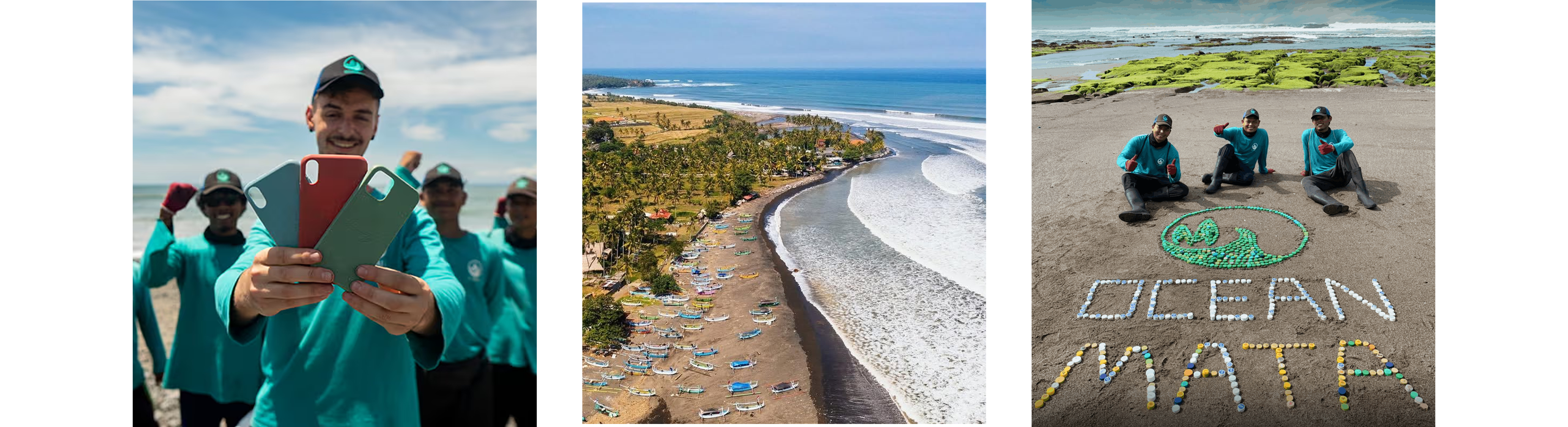
OceanMata chose Yesumbul because the area faces a significant flow of marine debris from the open ocean. Their team shares much of this work publicly on their Instagram account. The local capacity to manage plastic waste is limited, which often leads to open burning or dumping. Instead of building a large operational team, OceanMata works with a small group that conducts cleanups several times a week. Their approach is simple and consistent. They collect waste from beaches and rivers, bring it to a small sorting station, and process it based on material type.
This small team separates PET bottles for resale, while keeping HDPE, LDPE, and polypropylene for in-house recycling. Their goal is not just to clean the coast but to create circular outcomes that benefit the surrounding community.
Turning Plastic Waste Into Usable Products
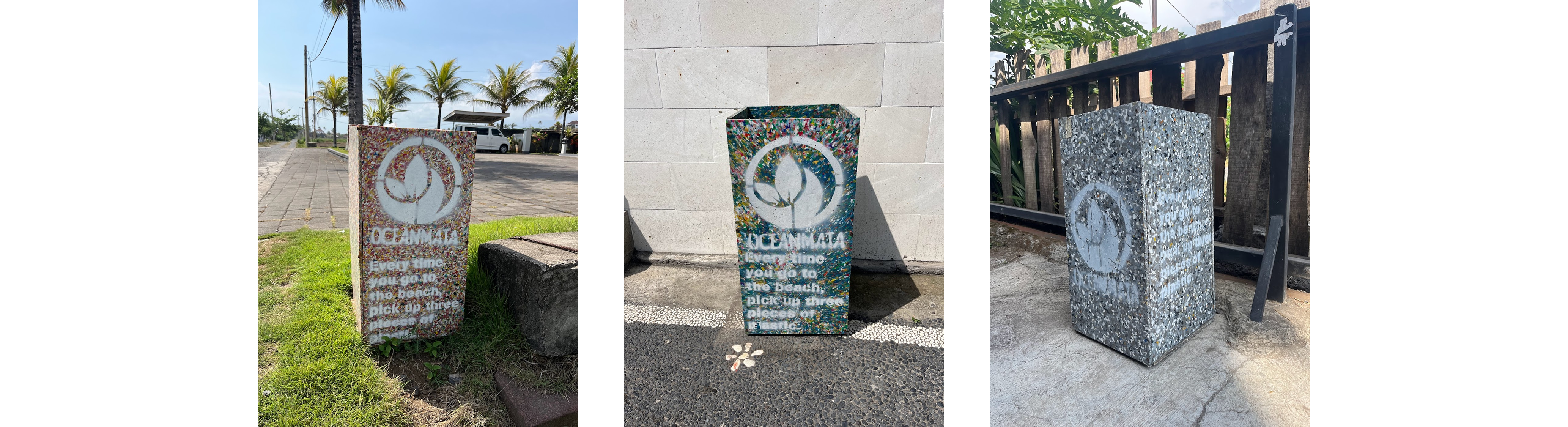
One of the most impactful initiatives is their Trashcans Project, which is also documented in their public transparency updates and cleanup posts on Instagram. OceanMata wanted to give Yesumbul residents an easier way to dispose of waste, so they began producing durable trash cans made entirely from recovered HDPE and polypropylene plastics.
The workflow is straightforward:
- They collect ocean plastic during weekly cleanups.
- They wash, shred, and sort HDPE and polypropylene.
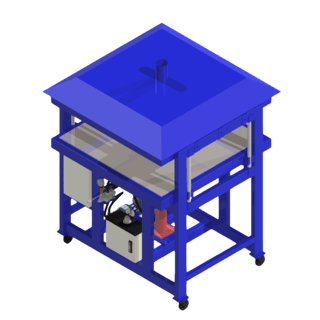
- They use a Wedoo Sheet Press Machine to melt and compress the plastic into sheets.
- They cut those sheets into panels and assemble them into square trash cans.
- They donate these trash cans to the village, placing them in roughly 30-meter intervals.
The result is a set of highly visible, colorful bins with natural marbled patterns created from mixed plastics. These bins now appear along beaches, near restaurants, and in public community spaces.
The Role of Wedoo in the Process

OceanMata uses Wedoo sheet press machines to turn unsellable plastic types into functional community products. These machines allow small teams to recycle HDPE and polypropylene with consistent results. In OceanMata’s case, this makes it possible to transform low-value plastics into durable trash cans that have immediate social benefit.
You can learn more about the relevant equipment on the official Wedoo site:
- Wedoo Website: https://wedoo.co.id/
- Contact Wedoo: https://wedoo.co.id/contact/
This model proves that micro-recycling systems can work in small villages or remote regions with limited infrastructure.
Why This Model Matters
Many companies assume they must be part of the environmental sector to make meaningful contributions to sustainability. OceanMata proves otherwise. A lifestyle brand can still operate a CSR program that integrates recycling, waste management, and community support.
Their work highlights three important points:
- Consistent cleanups create long-term environmental change.
- Community infrastructure improves when CSR projects solve daily problems like waste disposal.
- Accessible recycling machines help small teams produce valuable, usable products.
OceanMata’s trash cans now play a visible role in everyday habits in Medewi. They reduce littering and burning, encourage better waste practices, and raise awareness by showing that recycling leads to real products.
A Call to Global Businesses
OceanMata’s model is simple, scalable, and replicable. Any brand can adopt a similar approach. A dedicated CSR budget, a committed local team, and the right recycling equipment allow businesses to build direct impact programs in communities that need better waste solutions.
If your business wants to replicate this model, Wedoo can provide machines, training, and guidance. Explore the available machines or contact the Wedoo team to discuss project setup.
- Machines Overview: https://wedoo.co.id/
- Project Consultation: https://wedoo.co.id/contact/
References
- OceanMata official website: https://oceanmata.com/
- OceanMata Instagram documentation: https://www.instagram.com/oceanmata/
- OceanMata product sustainability statements and cleanup reports published on social media
- Field observations from Wedoo’s technical team during machine installation and training in Medewi, Bali